Claudia Totok - Discovering my Voice
Updated: Dec 18, 2025
1. Layers of Me
Life has a way of waking you up, shaking you, and then rewarding you when you need it most. It taught me that every challenge is a chance to grow, and every decision comes with consequences you have to own.
Today, after 37 years of ups and downs, I stand as a happy mother, supportive wife, trustworthy friend, reliable professional, estranged daughter, and creative woman. What follows are the moments that shaped me from a scared little girl into the woman you see today.
One of my earliest and most important lessons was this:
The world doesn’t always give you a voice. You have to claim it.

Life taught me emotional resilience, the strength to fall and rise again, and extreme ownership, knowing that my choices come with consequences that I need to own. I came to understand responsibility, that life doesn’t just happen to us, but we are active participants. And above all, I chose authenticity: the freedom to accept who I am and lead from there.
This is a story about growth, challenge, and personal power, the power that comes from facing your past with open eyes and choosing, every single day, to build something better.
2. Where My Story Begins
I was born one year before the Romanian Revolution, on November 2nd, 1988, in Timișoara.
My parents found it amusing to tell a story about how, at one year old, I’d give the unfolding events a dramatic thumbs-down and a serious “ee-ee” sound. These were early signs of my strong commitment to justice and democracy.

The Land as Teacher
Though I grew up in the city with my parents, most of my holidays were spent in the countryside at my grandparents’ farm. Their village was located in the hilly, less accessible southwest of Romania, one of the few areas that escaped the harsh collectivization of the communist era.
While much of the country was forced into state-run agriculture, their village was spared, largely because the land was too fragmented and the terrain too steep for machinery to operate effectively.
As a result, my grandparents worked hard but for themselves even under communism.
Within this entrepreneurial mindset, I first learned what resilience, discipline, and dignity really look like.


I remember vividly those warm, endless summer days.
The mornings were spent in the fields, helping to gather hay, harvest potatoes, and collect ripened plums from the trees. The evenings were equally full, helping my grandma milk the cows, feed the pigs, and chase chickens that refused to be reasonable. I had my tasks, and I took them seriously.
But what I loved most was standing on a hill, looking at the horizon, and wondering what else was out there beyond what I could see. I could stay like that for hours, watching the cows and letting my mind wander. Even then, I knew that dreaming and doing what needed to be done could go together.
The work was hard, and there were no cheers or praises.
But every evening, I would catch a look in my grandmother’s eyes, a subtle pride that seemed to say: We did good today. That, to me, was enough.
A Childhood Between Two Worlds
Still, no matter how comforting the rhythm of rural life was, I often missed my parents.
Back in the city, they worked around the clock, my father as an electrician and my mother as an accountant. Their lives were filled with duties, responsibilities, and endless work.

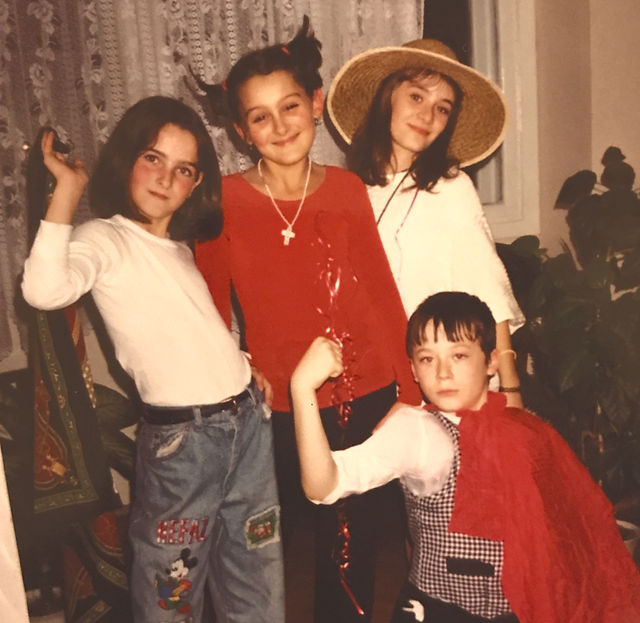

By the age of eight, I was already commuting alone across town to meet my mother at work.
A thirty-minute tram ride became my weekly routine. It was a different time, with a different sense of safety, but it planted a fierce independence in me that I still carry today.
However, beneath the surface of our “functional” life, there was a far more difficult reality. My father was a man of sharp contradictions: fiercely dedicated to his work and skilled at making money, yet a heavy drinker with an aggressive nature.
At home, he commanded us with authority.
My mother, trapped in the exhausting role of peacekeeper, tried to manage his volatility by encouraging him to focus on work, believing, or at least hoping, that labor might temper the liquor. It didn’t.
Holidays, celebrations, even simple family evenings, were often filled with conflict.
Shouting, fear and terror were always present in my childhood. At night, I would whisper anxious prayers into my pillow. We had money, but no peace. I learned very early, that financial stability is not the same as emotional safety.
Growing up in such an environment distorted my relationship with vulnerability. I didn’t know how to express affection, I didn’t feel safe asking for help and I didn’t know what it felt like to be heard.
I had a voice, I knew it from that thumb-down baby moment, but it got buried beneath the weight of fear, perfectionism, and survival. What I did develop, though, was an elaborate inner world, a place of daydreams, analysis, imagination, and curiosity. A world where I was both free and in control. It was my refuge.
It would take me twenty-seven years to realize that this voice still existed, and it mattered.
That I had the right to speak my needs. That I could set boundaries and expect them to be honored. That self-worth is not a luxury; it’s a birthright.
Keeping the Illusion Intact
The truth is, my father didn’t know how to be a father.
And my mother, in her own way, tried to compensate for that absence of healthy masculinity. She shielded him from consequences every single time, covering for him at work, excusing his behavior at home, and spinning a thousand small lies to keep the family appearing intact. But appearance and reality were oceans apart.
Her intentions were rooted in love and survival. But the result was a toxic dynamic that lasted over thirty-seven years, one in which my father never had to face the full weight of his actions. And we all still carry the cost of that denial.

Still, despite her blind spots, my mother was my anchor.
Her own childhood had been marked by hardship, and yet she managed to give me something solid to stand on. I often think of those long evening conversations we had while sitting in the car, waiting for my father to finish another after-hours job.
We talked about people, how they behaved, what their choices revealed about their character, and what kind of person I should aspire to be. I didn’t always grasp her insights in the moment, but they planted seeds that have shaped my worldview ever since.
One lesson stayed with me more than the rest.
She told me that I should always know how to speak to anyone, whether it was a farmer in the fields or a bank director in a glass tower. That wisdom gave me a priceless skill: the ability to adapt, to listen, and to make others feel seen, no matter who they are.
Turning Instability into Strategy
My mother was a powerhouse of resourcefulness.
She had drive and a sharp instinct for opportunity. During the economically volatile years surrounding the Revolution, she and my father managed to turn instability into possibility.
They would rent out our apartment, live in smaller spaces temporarily, and invest in real estate.
It was the early ‘90s, and in that environment, if you didn’t invest, you risked losing everything to inflation. They navigated that world wisely and in that process, taught me more than they realized.
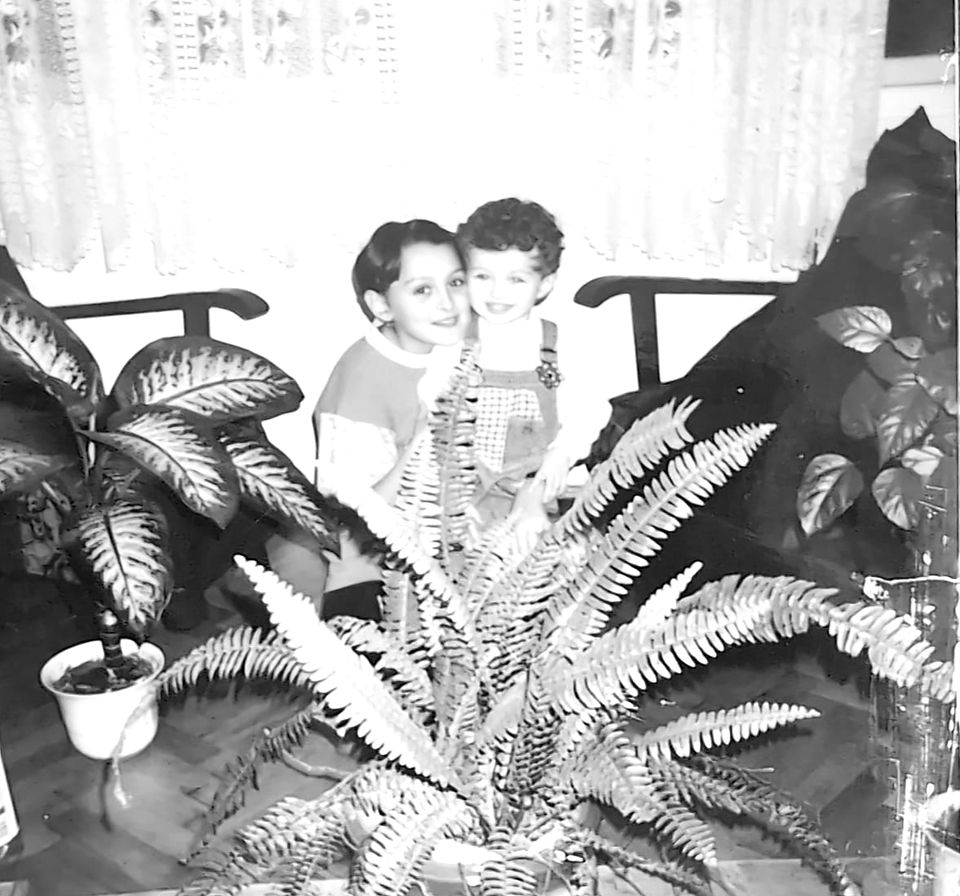


By the age of seven, I was accompanying my mother to apartment viewings.
She taught me never to show too much excitement because it weakened my negotiating power. If I liked a place, I was to quietly squeeze her hand. After every visit, we’d have in-depth discussions about the pros and cons we each saw.
One time, I even convinced her not to buy a certain flat. Its red, chopped window frames felt too costly to renovate, and the price didn’t make up for it. We ended up choosing a different place, one I called home for the next seventeen years.
More importantly, I negotiated my way into the biggest bedroom, with a wide balcony and a layout perfect for my childhood imagination. I felt like I had won a small victory.
Those were good days: filled with learning, investigation, and strategy. In those moments, I felt more than just a child tagging along. I felt like a valued partner. My mother made me feel capable, intelligent, and respected. She made me feel like I mattered. And in the chaos of my upbringing, that made a huge difference.
3. The Cost of Sparkling Water
Throughout my late childhood and early teens, nothing in our family stayed the same for long.
When I was nine, my father left for three months to work in Madrid. Looking back, those were some of the best months of my childhood. With him gone, the atmosphere at home was calmer. My mother and I built a simple routine together. Once a week we went to McDonald's, a real treat back then, and in the evenings we sat quietly in the living room, each with a book. It felt safe. That period taught me an important truth: sometimes feeling rich means nothing more than the absence of fear.
When my father returned, there was serious talk about moving to Madrid. I was excited at the thought, but my opinion wasn't considered. After weeks of discussion between my parents, the decision was made: we would stay. It was one of the first times I realized that if I didn’t speak up, important choices in my life would continue to be made for me, not with me.
Not long after, my mother and I traveled to Germany to buy a car.
We came back with a white ’88 Ford Escort: compact, clean, and good-looking for its time. The price was so good that my parents considered reselling it for profit. I remember making my case to my mom, explaining why we wouldn't find a better deal. She listened. In the end, we kept the car, and when I turned eighteen, it became my first. To this day, I think it was the right choice.
At that age, I could talk to my mom, and she would hear me out. With my father, it was the opposite. No matter how solid my reasoning, to him I was just a child who didn’t know anything. He didn’t see me, and he didn’t respect my opinions. In truth, we didn’t have much of a relationship at all.
Around that time, my cousin from Germany gifted me my first computer.
At first, I was thrilled. But the excitement faded quickly, as loading games from floppy disks on a black screen with clunky menus wasn’t much fun. I also didn’t have anyone to guide me, and school assignments on the computer were uninspiring. Eventually, I lost interest.
What did keep me hooked was mIRC and the dial-up internet connection. I would log in late at night, when the rates were cheaper, and spend hours chatting with strangers or friends across the country. Looking back, those nights online made me realize how easily I could reach people and ideas far beyond the limits of my daily life.
But when I received my first phone a year later, from the same cousin, it was different. I adored it.
My mother didn’t want me to keep it, but I made a deal with her: if she allowed it, I would cover every expense from my pocket money, including the SIM card. I kept that promise. Winning those negotiations and managing my money well enough to pay the phone bill gave me a real sense of independence.

But by the time I was twelve, things had changed again.
My mother no longer listened the way she once did. Instead, she often shouted at me, sometimes without any clear reason. My father still worked a lot, but his drinking had become cyclical, with stretches of sobriety followed by intense weeks of non-stop drinking. As a child, those swings were difficult to live through.
When he was sober, he could be incredibly kind. Watching the evening news together is one of the few core memories I have with him. The news wasn’t exactly meant for children, but I enjoyed that time because it was the only moment that we shared. Then the cycle would return: two weeks of drinking, chaos, violence, drama. Over and over again.
By thirteen, I had a powerful realization: money could be used as control.
For my father, it was his way of holding power. As long as I lived in his house and depend on his money, I had no right to question him. That planted a strong desire in me to become financially independent and build a life where I could live by my own rules.
One memory stands out. He asked me, as usual, to go to the store and buy sparkling water. I replied, “In a minute.” That was enough to trigger an explosion of yelling and accusations of disrespect. After that, I didn’t dare say no to him anymore.
That drive for independence pushed me to study harder, knowing that skills lead to money, and money brings freedom. I was determined.
By the time I turned fifteen, my relationship with my mother also began to break down. We argued often. She would complain about me to my father, and he would confront me with only part of the story, never asking for my side. I grew more and more distant from both of them. Fortunately, they were working longer hours by then, so our paths crossed mainly in the evenings and on weekends.
At school I loved math, biology, and especially the practical subjects like technology and engineering. My math teacher believed in me and encouraged me to apply for the best high school in the region. I trusted her, applied, and got in.
It was bittersweet. I was proud, but I also felt like I didn’t belong. Outside school, most of my friends were into partying and skipping class. I wanted both, to have fun, but also stay responsible.
So I came up with a system: keep my grades just high enough to avoid trouble, be home before 10 PM, and share only what was necessary to build trust. That balance gave me enough freedom during the day. Private tutoring helped me manage school, but it also left me exhausted. My diet was mostly chocolate, I slept only a few hours a night, and most days I felt drained. Still, in the pockets of freedom between 4 PM and 10 PM on school days, and on weekends when my parents were away, I felt happy. The rest of the time, I was depressed.
At seventeen, I started my first serious relationship.
For the first time, I felt seen, heard, and understood. His family welcomed me as their own daughter, and with them I learned what it was like to feel safe and to be loved at home. It truly felt like family. They were the ones who taught me how to give and receive a genuine hug.
4. The Wake-Up Call I Needed
In high school, I had a quiet sense that I would study Computer Science. It just felt natural. In my final year, I started looking at options more seriously and noticed a pattern: it was the one subject that never felt forced.
So when it came time to apply to university, I trusted my intuition and chose Automation & Computer Science at the Polytechnic University of Timișoara. I assumed the admission exam would be easy. And I was wrong.
The exam wasn’t impossible, but it was tough enough to wake me up. That’s when I understood that talent could only take me so far. The rest would demand discipline and hard work. It was the path to financial freedom, the independence I had been dreaming of since I was thirteen. So I took it seriously.
And I got in.

From that moment on, I made a conscious decision: no more skipping classes or distractions. I focused fully on every lecture, every late night of coding, and every long hour of study. Each exam felt like a step closer to the life I wanted.
University marked the start of my independence and the slow breaking away from the chaos at home.
But my relationship with my parents kept deteriorating. Sundays became draining family lunches where I stayed quiet to keep the peace. I wasn’t allowed to speak my mind or fully be myself. I showed up physically, but mentally, I was already gone.
That’s when I realized my ambitions didn’t fit the life they had imagined for me. I needed to create my own life, one with space to grow, to speak freely, and to be myself.
5. Freedom in a Wedding Dress
At 20, I found myself at a crossroads.
My high school boyfriend and I decided to move in together. I was still in university and financially dependent on my parents. He was four years older, freshly graduated, with the stability that made this step possible.
Moving in together felt like the natural next stage of our relationship. But I knew my parents, especially my mother, would never approve. She had made her stance clear for years: no living together before marriage.
So, we did what we thought we had to do: we got engaged.
It felt strategic, but my mother was shocked. She asked me to reconsider, and I tried to negotiate: let me move in without marriage, and I’ll postpone it for a few years. She refused. So I chose myself, and I followed through.
At 21, I walked down the aisle. The wedding day felt liberating. As always, my father showed up drunk and disruptive, arguing with guests, while my mother tried to manage him. They were nowhere near celebrating such an important moment in my life. There was no joy. The day was overshadowed by his addiction, but it no longer mattered, it wasn’t my problem anymore. For the first time, I felt like I was stepping into a life I had chosen.
I had escaped.
Shortly after, while still finishing my university studies, I landed my first job as a programmer, part-time at first, then full-time. I was finally doing something that lit me up, something I was good at, and I was getting paid for it. Coding became my joy at work, and I started building my own version of family at home, on my own terms, with my own dynamics and rules. For a brief moment, it felt like I had everything I wanted.
But life has a way of testing foundations before they’ve even settled.
While pursuing my master’s degree, a new opportunity came up. The construction industry in Romania was booming, and electrical services were in high demand. My then-husband was considering a career shift, I was drawn to smart homes and automation, and my father had a network we could tap into. On paper, the pieces aligned. We even thought about moving to Austria, but decided to give the business a try. Just for a few years, we said. If it didn’t work, we’d pivot. But we never pivoted. Life just hit fast-forward.
My days were intense: a full-time programming job, evening master’s classes, and late-night work on the family business. Everyone was involved: my mother as the accountant, my father as the advisor, my father-in-law running construction, me in IT, and my then-husband as the CEO. The business grew quickly, but without structure, direction, or strategy. Growth without direction is just chaos dressed up as success.
Sunday lunches with my parents made a comeback, only now they were business meetings disguised as family time. The tension was constant, the conversations repetitive, and I had no voice in the decisions that impacted my life. I was expected to show up, smile, and stay silent. I felt everything falling apart: my autonomy, my marriage, my identity. I had escaped one cage only to find myself in another, now with family obligations and outdated expectations.
And the worst part: my then-husband didn’t seem to hear me. The pressure and the dilution of who I was, all went unnoticed. I tried talking, but my words never landed. Two years into our marriage, I felt more alone than ever.
Then came the baby talk. I was 23, and I wasn’t ready. But society didn’t care: In Romania, 24 was considered the “golden age” for motherhood. Anything older was labeled high-risk or worse, selfish. The pressure was increasing. My parents, my friends, even acquaintances started asking when I would have a baby.
I fought back the only way I knew how: I worked harder. I buried in work and achievements, the one thing I could control. But it wasn’t enough. I needed to prove to myself, that I was more than the life others had designed for me.
So, I made a decision: I applied for a job abroad. I didn’t expect to leave Romania, but I needed to prove I was capable of more, beyond the family business, the pressure, and the box I had been forced into.
I knew I had to break free again.
6. Leaving the Life That Looked Right
It started with two job applications: one in Barcelona, the other in Amsterdam.
I hadn’t been to either city and didn’t research them beforehand. I just applied on intuition.
Amsterdam replied first. The process moved quickly, and within a couple of weeks I had an offer on the table: a one-year contract. I hadn’t told my parents much. I wasn’t ready for the questions or the drama I knew would follow.
By then, my relationship was already falling apart. We kept having the same conversations on repeat: about our future, our relationship, and how to grow the business to better support us. But instead of progress, there were only struggles. Every business has a rough start, but if you don’t pause, reassess, and pivot, you’ll never move forward. No matter how I tried to explain it, I couldn’t get through to him.
Eventually, the question became clear: Would I regret walking away from everything and starting fresh in a new country, alone? Or would I regret staying in a life that looked perfect from the outside but felt like a slow death on the inside?
The answer came quickly. I would regret staying far more than I’d ever regret leaving. I didn’t know exactly what I wanted, but I knew what I no longer accepted: control, silence, constant struggle, and a life with no real progress
At 24, I decided to leave and move to the Netherlands. I ended my marriage, and we didn’t tell my parents the full story. They believed my work contract was only for three months, but we both knew it wasn’t.
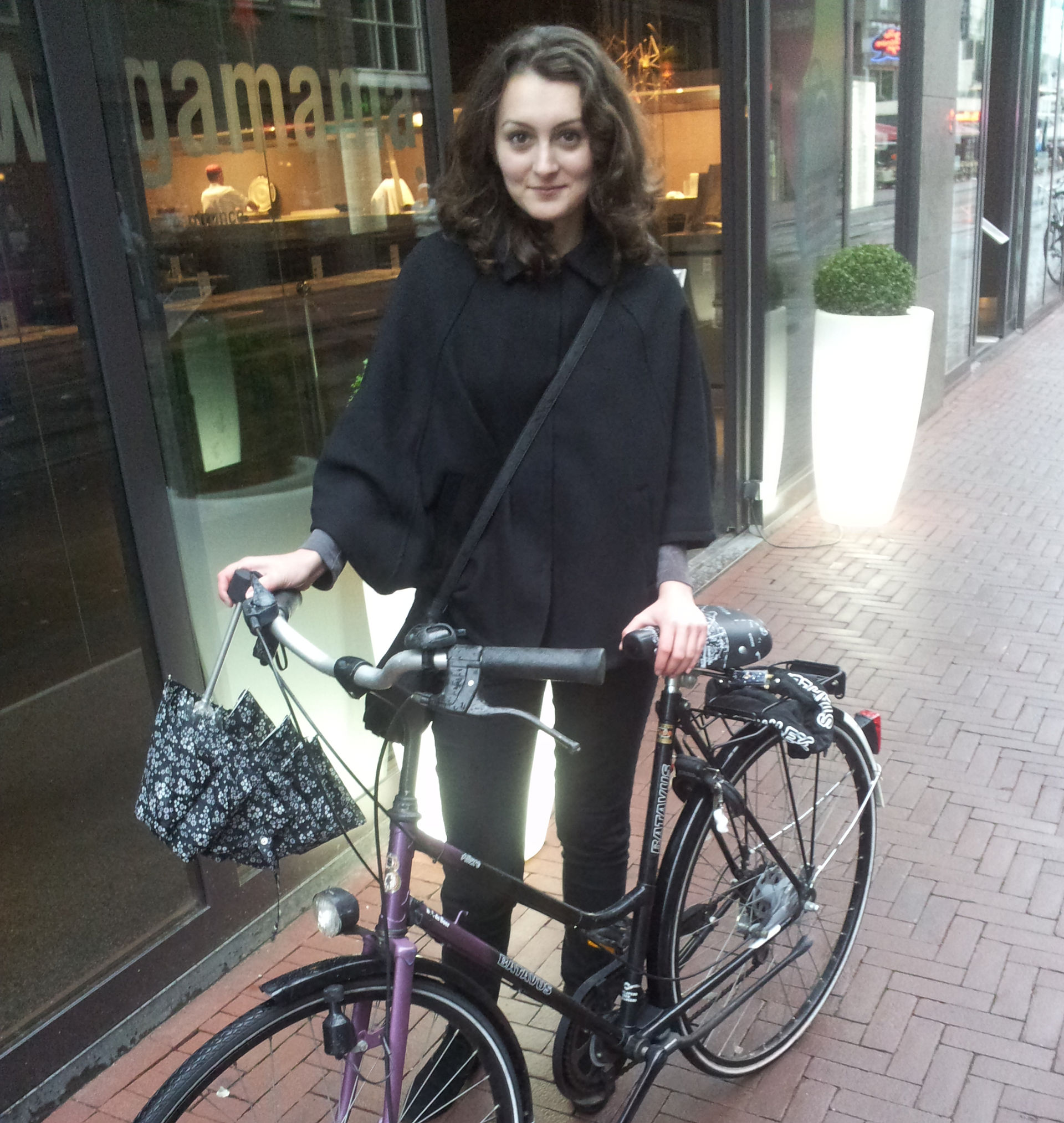
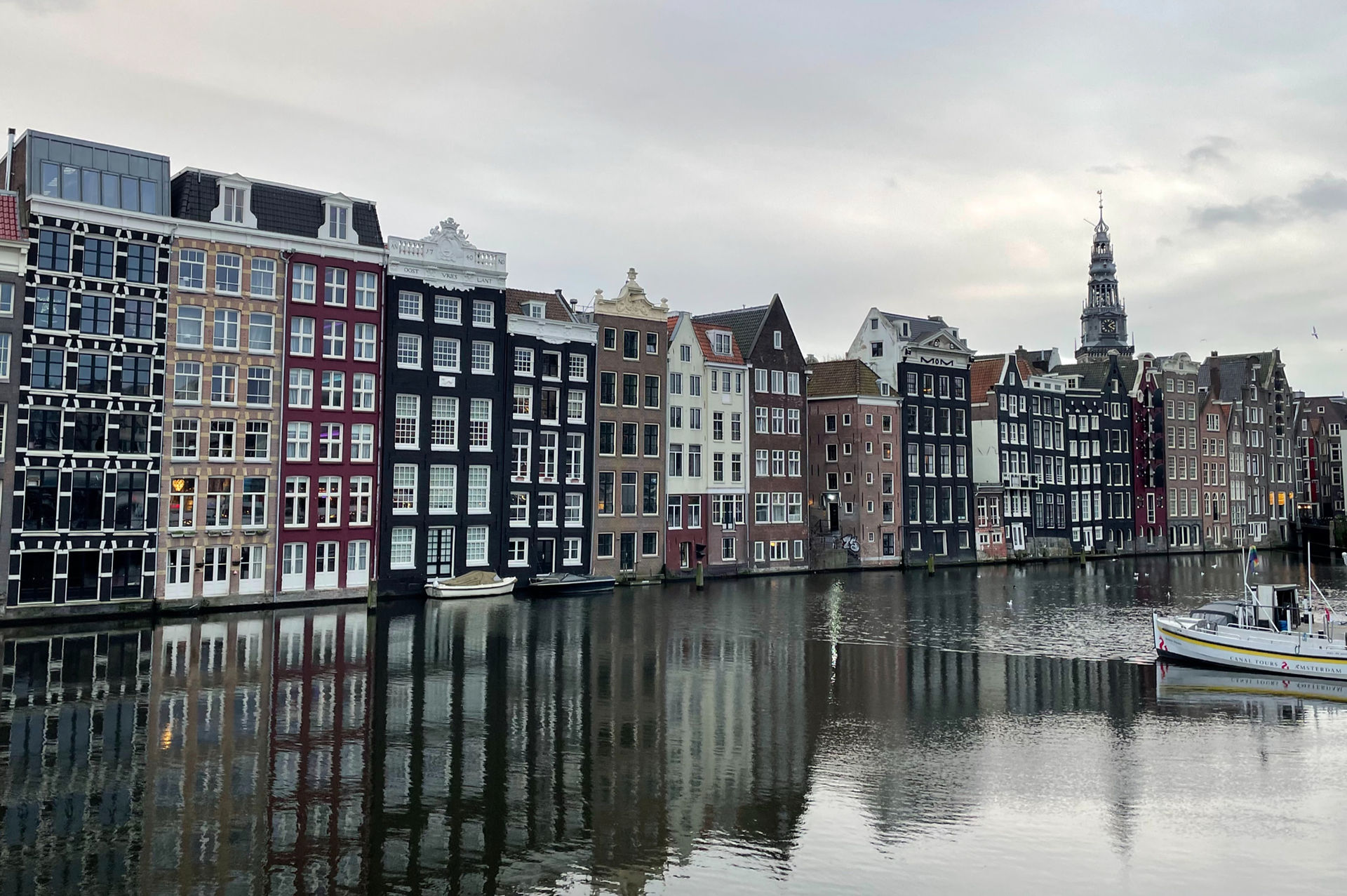
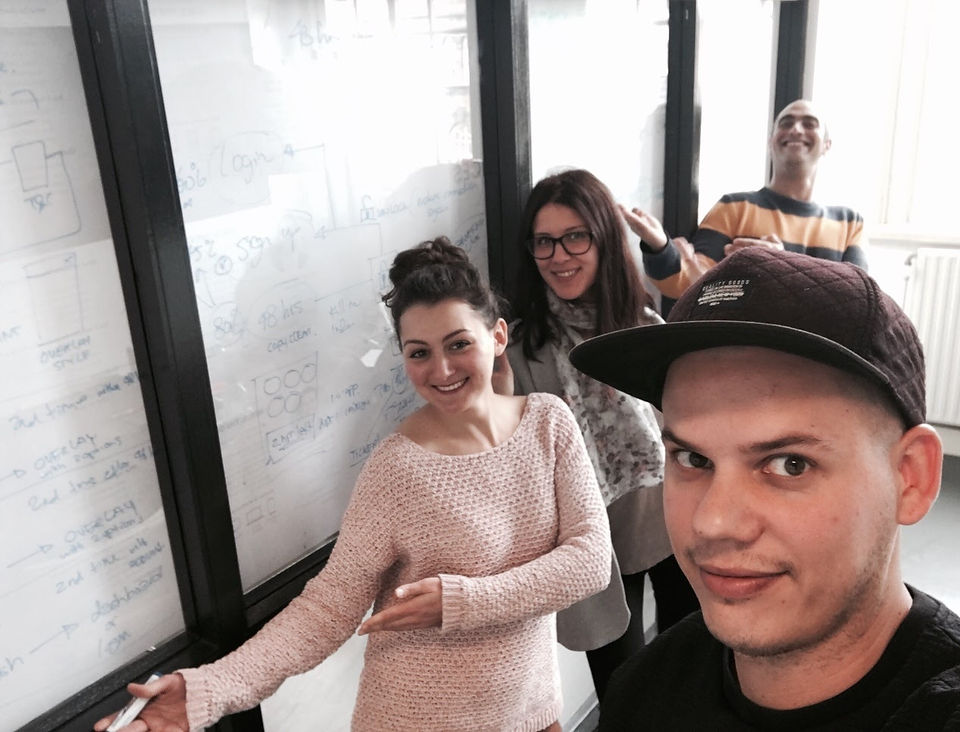
That first year in Amsterdam was an emotional roller coaster.
The lies, the rare conversations with my mother filled with blame and guilt.. they all weighed heavily on me. I began to believe I had made a selfish choice and that everyone was suffering because of it. But one particular conversation changed everything.
I asked my mom: “If I’m unhappy but everyone else is happy, versus if I’m happy but everyone else isn’t, what would you choose?” Without hesitation, she replied, “The first one!”
That moment cut deeper than any fight we’d ever had. It was the first time I realized she didn’t have my best interests at heart. From that day on, I began to emotionally detach from my parents.
After that moment, I stopped lying, to others and to myself, and everything began to fall into place. I told the truth to my parents and to the people I had tried to protect by hiding parts of my story. And strangely, after all the tension, things calmed down. Conversations became lighter, less dramatic, and for the first time there was space for me to simply exist without defending my every move.
Amsterdam felt like home from day one. My intuition kept repeating: "This is your place. You’re safe now." Slowly, I began to discover myself. For the first time, I smiled genuinely and people could actually see it. That was new.
But I was still navigating a pay gap. As a senior engineer from Eastern Europe, I earned less than my local peers. So I set a goal: if I couldn’t afford to rent my own apartment within a year, I would move back. That goal kept me focused and within the year, I had my own place to rent.


Coming from Romania, where owning property is almost a cultural norm, renting felt like a temporary fix. I calculated that after 13 years of paying rent, I could have bought an apartment. Convinced I would stay in the Netherlands for at least five to ten years, I started exploring the market. I wanted to own a place in Amsterdam. To my surprise, my mother helped me find one. After years of conflict, it felt good to make decisions together again.
At 27, I signed the papers for my first apartment on Bilderdijkstraat. It was a milestone.. the result of hard decisions, risks, and all the times I chose myself even when it hurt. For the first time, I had a real home. That apartment became my safe space and proof of my independence.
7. When Success Breaks You
Around the same time I moved into my new apartment on Bilderdijkstraat, I stepped into a new role as a Solution Architect.
The apartment was everything I had hoped for, and the work was exciting. But as an Architect, I underestimated what it meant to juggle so many assignments at once, and so many people, each with their own expectations, expertise, and ways of handling pressure. I thought I could figure it all out if I just worked harder. So I pushed through 13-hour days, often on weekends, trying to make up for everything I didn’t yet know.
Soon the effects caught up with me: shallow breaths, daily tears, constant anxiety, and Sunday evenings buried in emails. Within six months, I burned out.
One day, in the middle of a meeting, my mind went completely blank. I couldn’t articulate a simple answer. I mumbled something, and the moment the meeting ended, I rushed to the bathroom and broke down in uncontrollable tears.
A friend found me and encouraged me to see a doctor. The diagnosis was clear: chronic stress. Part of me felt ashamed that I couldn’t handle what others seemed to manage so easily. I felt like a failure.
I remember wandering through the city with a clouded mind, panicking every time I got close to the office. I needed support, so I started therapy in Romania and then returned to Amsterdam, where at least home felt comforting. Still, I was constantly disoriented.

I took three months off. Even then, I wasn’t fully recovered when I returned. It took another three months before I began to feel like myself again. The experience was intense, but it gave me a lesson I desperately needed: the importance of setting healthy boundaries.
Looking back, it’s clear how I ended up there.
Yes, the workload was demanding, multiple projects, endless requests, stakeholders needing more than I could give. But the deeper reason was me: the part of me that couldn’t say no, that believed acceptance, and worth had to be earned by pleasing everyone. It came from a lifetime of managing chaos at home by being agreeable, accommodating every ask, and silencing my own needs to keep the peace.
When I finally recovered, I reconnected with the motivation that had fueled my career move in the first place: helping programmers focus on what they love most, coding, without getting lost in the confusion this role so often creates.
The first time I said no, it felt liberating. I realized not everyone will like you, and that’s okay. My goal was no longer to please everyone, but to create balance so I could offer real value to the people who mattered most: my teams.
Burnout taught me what ambition never could: if success costs your well-being, it isn’t success at all.
8. The Discipline Years
By 28, I began to notice a pattern in my career. Every two years, I felt the need to make a bold move.
First came my initial hire at 22, then leaving Romania at 24, a major salary increase at 26… and now, I was ready for something new.
This time, I wanted to prove to myself that I could study abroad and grow into a stronger architect, bridging the gap between IT and the business world.
So I enrolled in an Executive MBA at the University of Amsterdam, with a focus on Business Administration and Artificial Intelligence. I negotiated partial tuition sponsorship from my company and kept working full-time while attending classes in the evenings and studying on weekends.

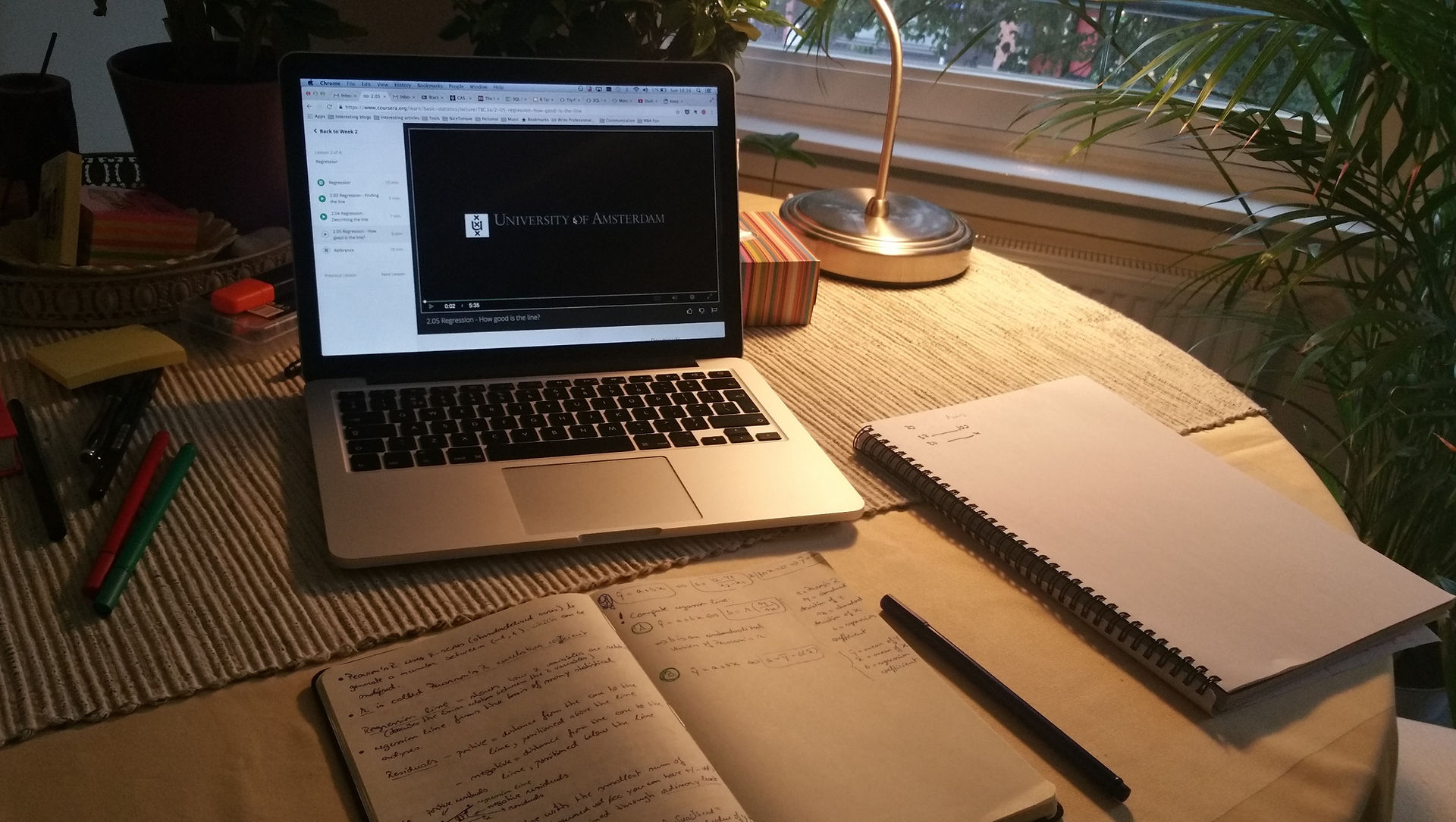

My life had to become incredibly structured. I learned to say no because every minute mattered. Every “yes” to something meant a “no” to something essential, like eating before class or finishing an assignment on time.
My days ran like clockwork: mornings at the office, a quick workout at lunch, back to work in the afternoon, logging off at 5 PM, grabbing dinner on the way to university, classes until 10 PM, then reading and prep until midnight. Wake up, repeat. For two years.
For the first time in a long time, I felt a clear why behind what I was doing. I was learning things I could apply in real time. using insights from lectures in my work, and turning workplace challenges into case studies for class. It was intense, but the feedback loop gave me the energy to keep going.
What I was really learning, beyond the curriculum, was discipline: I learned to protect my time, to delegate and follow up and to prioritize with focus. I discovered that structure and discipline gave me more time than I was aware I have.

When I graduated, I walked away knowing I had found my voice, and now I had the confidence to back it. This chapter prepared me for the next leap in my career. More than knowledge, it gave me a trust in myself I had never felt before.
Even my loudest inner critic had nothing left to say. For once, it was quiet enough in my mind to hear the truth: I did it. I’m proud. Well done.
9. From Fixing to Flourishing
After a decade of chasing success, turning 30 gave me a new perspective.
Up until then, most of my energy had gone into trying to ‘"fix" myself, always focusing on what I wasn’t good at. And no matter how much effort I put into improving, I still never felt enough.
After 30, I changed my approach. I stopped obsessing over weaknesses and started focusing on strengths. I realized that when I invested in what came naturally to me, growth was exponential. I learned to acknowledge my weak spots, manage them, and partner with people who excelled where I didn’t.


And it worked.
By 32, I had switched career tracks, from software development into the world of Big Data and AI.
By 34, I was freelancing as a Solution and Data Architect.
By 36, I stepped into the role of Enterprise Architect, mentor and investor.
Knowing what to do in my career felt straightforward, but my personal life was a different story. There was a huge gap between the two.
Despite everything I had learned about setting boundaries and expressing my needs at work, I still struggled to do the same in my personal life. In relationships, especially with my parents and in love, I was still learning how to navigate emotionally. I struggled to say what I needed, I feared abandonment, and I believed I had to earn love or respect. These limiting beliefs held me back from fully growing into the woman I wanted to become.
It took one particularly painful relationship to finally push me toward therapy. That’s when I began to see the patterns and the real roots of my struggles: my childhood trauma was influencing my adult choices, my relationships, and even the way I experienced downtime, clouded by anxiety and panic.
When I wasn’t traveling, work became my refuge: a place where I could excel without confronting the pain of feeling unseen or unheard by the people closest to me. My life revolved around working hard, then traveling just to recover. All this time, I kept playing the role of the “good daughter,” still searching for validation in other people’s eyes.



But I couldn’t ignore the emotional drain anymore. I wanted to feel enough, just as I was. So I committed to doing the inner work it would take to get there.
Between 30 and 35, I fully committed to personal growth. I read countless self-development books, explored different healing practices, practiced meditation, introspection, and sports religiously, and spent hours in vulnerable conversations with close friends.
Through that inner work, I finally began to understand myself.
I discovered that I am lovable, I saw how deeply I can love, and I realized I deserve to be seen, heard, and respected, simply because I exist. For years, I accepted love rooted in fear, silence and self-abandonment, because I thought I had to. It took me 35 years to unlearn that.
Now I know: healthy love is never about enduring. It’s about respect, care, and the freedom to say, “This is who I am. This is what I need. And I am worthy of love, just like this.”
Real love begins with how we love ourselves.
10. Love at First Text
Eduard and I met on LinkedIn.
Where else could two work-enthusiasts possibly meet? What began as a professional exchange quickly turned into love at first text. Our conversation flowed effortlessly, as if we had known each other for years. Within days, I knew he was soulmate material.


Because of work travel and other commitments, we only saw each other briefly and spent the first three months on long phone calls, sometimes for hours. We talked about everything: love, money, emotional safety, childhood wounds, future dreams, family dynamics. No subject was off-limits, especially the most challenging ones.
With him, I felt fully accepted for who I was. There were no expectations, no games, and no pretending. I knew this was the love I had been waiting for, and only healing had made me ready to receive it.
With Eduard, I discovered what emotional safety really feels like: being seen, supported, and respected. He encouraged me to speak up, even when it was uncomfortable. He honored my boundaries instead of testing them. For the first time in my life, fear no longer ruled my emotions. He made me want to build a family. And for someone who had always felt more comfortable chasing ambitions than domestic dreams, that was a big leap.
Within three months we moved in together, and by six months we were engaged. A year later we got married, and soon after welcomed our first child, Atlas. Our life took a path of exponential growth.


From the beginning, we started investing in real estate and building a future together. We combined our passion for technology, investments, construction, interior design, business development, and within a year, we flipped six apartments, laying the foundation for a strong shared portfolio.
It wasn’t all rainbows and flowers, and it pushed me far beyond my comfort zone. But from Eduard, I learned a few non-negotiables for reaching my full potential without waiting a lifetime to do it: laser-sharp discipline, resource efficiency, time management, and precise planning followed by immediate action. And the greatest lesson of all was to do it with a smile. Because no matter the challenge, with determination, focus, and discipline, there is always a way forward.
Still, of all the transformations I experienced, becoming a mother was the most profound.
The moment I held Atlas in my arms, I felt myself crossing into a new life: grounded, authentic, assertive, and determined to protect and nurture my family no matter what.
Supporting high achievers in reaching their goals has always been my deepest motivation. It influenced every career move, every project and every course I took. And today, I have the privilege of doing it alongside two exceptional people: Eduard and Atlas. It fills my heart with gratitude every single day. I am deeply proud of them both, and nothing gives me more joy than supporting their growth, whether it’s Eduard chasing ambitious projects or Atlas crawling with determination toward his favorite toy overcoming every obstacle in his way. I will always cheer for them to do what they love.
Of course, balancing motherhood, partnership, and career isn’t seamless. It means managing expectations, setting boundaries, embracing flexibility, and practicing self-care. It comes with sleepless nights, shifting priorities, and the constant pull on my time. But it also brings immense rewards: personal growth, fulfillment, and a stronger relationship, built by working as a team to create a harmonious integration of work and life.
Everything I’ve learned comes down to this: fulfillment comes from using discipline to do what matters, self-awareness to choose peace, and passion to enjoy the process every single day. The learning never stops, so we might as well do it with a smile.
11. Rewriting Family Rules
What naturally came next was something I had avoided for years because I wasn’t ready.
But motherhood demanded my readiness: I had to confront my parents.
Throughout my adult life, their behavior hadn’t changed, the same dramas, the same authoritarian attitude, the same absence of real listening. The difference was, we didn’t see each other often, and during visits they would hold back just enough so we wouldn’t upset each other.
But I had changed. I was no longer the little girl shrinking to fit the mold they created. I was now a woman with a voice, a wife who felt safe, and a mother determined to create an emotionally safe environment for her child.
Encouraged by Eduard, who consistently showed me that family can be a safe place, I tried to open a new chapter with my parents. I wrote my father a long, honest letter. I sat down with my mother, open and vulnerable, to speak about the parts of our dynamic that still hurt. I tried different approaches, calm, clear, even firm, but nothing worked.
No matter what I did, I wasn’t seen, I wasn’t heard, and I certainly wasn’t respected.
Three months after giving birth, I traveled to Romania for my birthday, the first time my parents would meet my son. For a couple of days, things stayed on the surface, but the tension was undeniable.
Then one evening, everything erupted. I asked respectfully, yet firmly, for something non-negotiable: a healthy environment for my baby, free from alcohol, fights, and drama. Instead of listening, they exploded. My parents didn’t recognize the woman I had become and they didn’t like her. To them, my transformation felt sudden, and completely unacceptable.
But years of inner work, therapy and living with fear, had brought me here, to a voice I refused to silence. I would no longer obey, compromise my values, or pretend their behavior was acceptable. I knew my boundaries, and I was determined to protect my son from the emotional chaos I had once been raised in.
That night, my father pushed me out of their house, and my mother stood by his side. And in that moment, I felt no doubt: I would do it a thousand times over to protect the family I had built, to honor my values, and to embrace the peace I had never known growing up.
I still love them. That hasn’t changed, and it never will.
I remain grateful to my mother for the warmth she gave me as a child, for the moments of support I needed back then and still long for now. But there is nothing left to receive. The love that once felt unconditional now comes with terms I cannot accept. And I’ve come to understand something essential: if love costs your peace, it’s okay to love from afar.
In that choice, I found something I had been searching for all along: freedom, and the self-acceptance to finally be myself.
12. Building on Shared Dreams
When Eduard and I joined paths, life accelerated in the best way. Together, we are building a family, a business and a life aligned with our values, guided by curiosity, and anchored in love that gives everything meaning.
What began with real estate grew into a larger vision. We wanted to create more than homes or investments. We wanted to create opportunities for growth: personal, professional, financial, and emotional. At the heart of it is a belief that drives us every day: to help others reach their potential and live fully.
His business skills and my expertise in technology and AI blended naturally, giving us the courage to dream bigger.


Motherhood brought a depth I could only understand by living it. Raising Atlas taught me that strength is born from empathy. And that respect, integrity, and emotional safety are the foundation of every healthy relationship, whether at home, at work, or out in the world.
Looking back, I see that every setback was an invitation to grow, and every choice a lesson in responsibility and consequence. Each moment led me here: to a life where success and peace finally coexist. A life where authenticity, vulnerability, and self-awareness have become my own expressions of strength.
Today, I understand that the world won’t always offer you a voice, but maturity teaches you when and how to use it. And that authenticity, even when it comes at a cost, brings the most valuable reward of all: inner peace.
Looking ahead, I know that healing isn’t the end of the road, but the beginning. I still have days when I wish everything would just fall into place overnight, but I’ve learned that the things that truly matter are built over time, with patience, courage, and discipline. Real change begins with the small, conscious choices we make every day.
This is why I choose to share my story. Because I know how hard it is to rise when you’re exhausted. How fragile courage can feel when you’re just starting. And how freeing it is to realize you were never meant to do it alone.
If my story speaks to you, I hope it reminds you of one simple truth: you don’t have to choose between strength and softness, between ambition and peace. All you need is the courage to be honest with yourself and to live in alignment with who you truly are.


Comments