Digital Marketing vs. Traditional Marketing: What You Need to Know
- Sep 19, 2024
- 6 min read
Updated: Jan 8
Table of Content
1. Introduction
In today’s world, terms like “Digital Marketing” and “Traditional Marketing” are thrown around in everyday conversations, but what do they really mean?

If you’re trying to promote a business, product, or brand, you may be wondering which of these two methods is the right choice for you. Both have their pros and cons and involve different marketing strategies, so let's do a market research and find out more about both.
In this guide, I’ll help you understand the key differences between the two, so you can make the best decision for you and your business.
2. What is Traditional Marketing?
Traditional marketing refers to the methods we’ve all been familiar with for quite some time: TV ads, radio, billboards, newspapers, magazines, and other forms of offline media. It's the “veteran” of the marketing world and has been used for decades to reach a broad audience.

Traditional marketing relies on offline methods to grab consumers' attention. While it might seem outdated compared to digital marketing, it still plays a significant role in many companies' strategies. It’s familiar, tangible, and still packs a punch, especially among older generations who are used to this type of advertising.
3. Advantages of Traditional Marketing
Offline Media Credibility
While much of the news and information we see online can feel shallow or manipulated, many people still trust advertisements in newspapers, magazines, or on TV, associating them with more legitimacy.
Direct Approach
Traditional marketing often gets your message directly to your audience. Billboards, radio ads, and flyers offer a visual and tangible approach that can be very effective.
Long-Lasting Impact
A successful TV ad campaign can create long-lasting memories and generate ongoing discussions, like the much-anticipated holiday ads we look forward to each year.
Broad Audience Reach
Traditional marketing reaches a wide range of people, including those who aren’t very active online, such as older individuals or those who don’t regularly use social media.
4. Disadvantages of Traditional Marketing
High Costs
If you’re planning a national TV campaign or want your ad on a large billboard, be prepared to spend big. Producing and broadcasting traditional ads can be much more expensive than their digital counterparts.
Difficult to Measure Efficiency
It’s tough to know how many people actually saw your ad and how they reacted. Most traditional marketing methods don’t offer immediate feedback or precise data.
Generalized Audience
Traditional marketing doesn’t allow for the same level of audience segmentation that digital marketing does. A radio ad, for example, reaches everyone, including those who might not be interested in your product.
5. What is Digital Marketing?
Digital marketing is all about the internet, digital marketers are all about marketing on the world wide web. It came into play with the rise of the internet and modern technologies, gaining massive momentum in recent years.
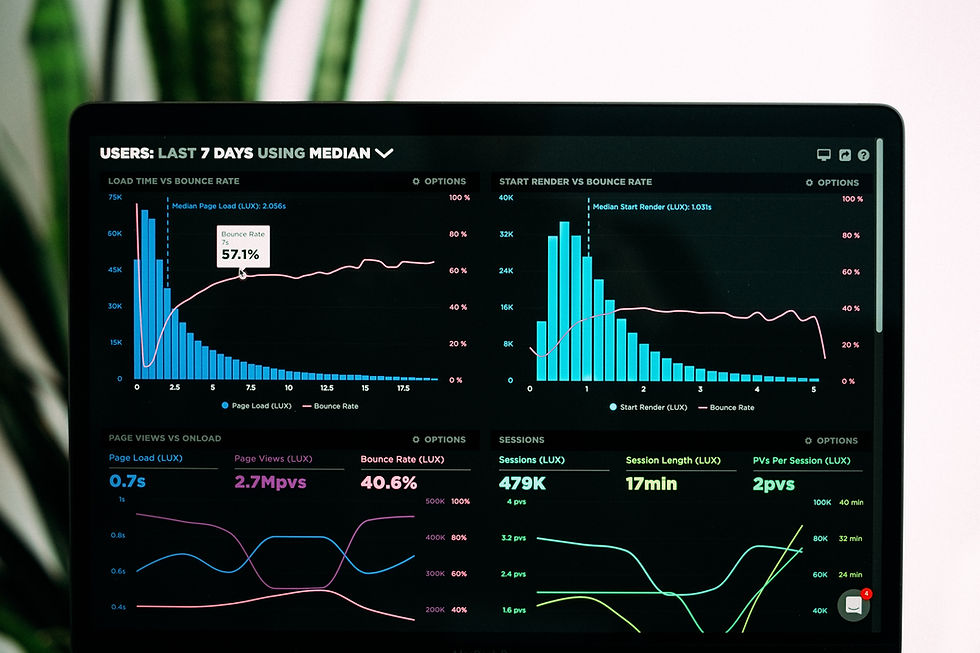
It is used by many people and spans a wide range of channels, including social media (Facebook, Instagram, TikTok, LinkedIn - as social media marketing), SEO marketing for search engines (search engine optimization), email marketing, content marketing, influencer marketing, paid ads on Google or YouTube, and much more.
The rapid growth of the internet and mobile technology has made digital marketing one of the most efficient and accessible ways to promote products and services, particularly to younger audiences.
6. Advantages of Digital Marketing
Precise Targeting and Segmentation
With digital marketing, you can choose your target audience based on interests, age, location, online behavior, and more. You can reach exactly the right people who are interested in your products or services.
Accurate Results Measurement
With tools like Google Analytics, you can track how many people saw your ad, how many engaged with it, clicked on it, and what conversions you achieved (pay per click).
Flexible Costs
While digital marketing campaigns can also be expensive, it’s far more flexible than traditional marketing. Prices vary based on your customer and product specifics. Regarding your marketing budget, it's best to start small and scale as you see results.
Instant Feedback
You can get immediate feedback from customers through comments, reviews, directly trough your marketing campaign and direct messages, helping you quickly adjust your strategy if necessary.
Global Reach
Digital marketing lets you reach people all over the world. If you want to sell internationally, the internet makes it easy.
7. Disadvantages of Digital Marketing
High Competition
Because digital marketing is accessible to everyone, competition can be intense. Any company, regardless of size, can run ads on Facebook or Google.
Constant Technological Changes
Digital platforms and algorithms are always changing. What works today might not work tomorrow. You need to stay on top of the latest trends and updates.
Dependence on Technology
Digital marketing requires a stable internet connection and some technical knowledge. If your website goes down or social media platforms experience issues, your campaigns may suffer.
Overload of Data
You can collect so much data in digital marketing that it can become overwhelming. Analyzing all of this information takes time and sometimes requires technical expertise.
8. Digital Marketing vs. Traditional Marketing
Now that we’ve detailed the pros and cons of each, let’s answer the big question: which is better? You always need a tailored plan first, based on your business budget and needs.

Your plan outlines marketing activities on a monthly, quarterly, or annual basis, while the marketing strategy outlines the overall value proposition. To make sure you create an effective marketing strategy, establish your goals, budget, and target audience.
Your Budget
If you have a large budget and want to reach a broad audience quickly, traditional marketing might be the right choice. TV, radio, and print offer broad access, but at a higher cost. If you’re working with a smaller budget and want more precise targeting, digital marketing is ideal.
Your Target Audience
If your target audience (potential customers) is older and not as active online, traditional marketing will be more effective. On the other hand, if you’re targeting younger generations, Millennials or Gen Z, digital marketing is essential. These generations are constantly connected to social media and consume a lot of online content.
The Type of Message
Traditional marketing is great for short, memorable campaigns, like a 30-second TV spot or a billboard. Digital marketing, however, offers more flexibility for longer, more complex campaigns through blog posts, social media updates, or detailed videos.
Flexibility
If you need to adjust your campaign quickly and test what works best, digital marketing is far more flexible. You can change ads in real-time based on performance. Traditional marketing is harder to modify once launched.
9. How to Choose the Right Strategy?
In reality, the most successful campaigns often combine both traditional and digital marketing. In essence, a marketing strategy determines the general direction, for example, a product launch campaign might include both TV ads and a strong social media presence with sponsored posts and influencer collaborations.

Define your goals
What do you want to achieve with your campaign?
Increase brand awareness or sell a specific product?
Know your audience
Where does your audience spend time, online or offline?
Evaluate your budget
If you have a big budget, invest in both traditional and digital methods.
If your budget is limited, digital marketing offers more flexibility.
Test and optimize
Every marketing strategy needs to be tested and adjusted along the way.
Try different approaches and see what works best for you.
10. Conclusion
In conclusion, there’s no absolute answer to the question “Digital Marketing vs Traditional Marketing”. Both approaches have their strengths and limitations, and the smartest choice is often a well-balanced marketing mix, tailored to your business goals and objectives.
By learning how to blend both worlds and create real synergy between digital and traditional strategies, you can achieve stronger, more consistent results.
If you want to improve your marketing skills, you can start with our free courses, designed to help you build a solid foundation in marketing.
When you’re ready to go further, we also offer 1:1 mentorship sessions, where a dedicated mentor will guide you in developing and refining effective marketing strategies for any type of business you’re interested in.
We wish you a great day and a successful marketing journey ahead.



Comments