Interior Design Guide for Beginners: Everything You Need to Know When Starting Out
Updated: Jan 21
1. Introduction: Interior Design Guide for Beginners
When you’re thinking about creating interiors, you’re not just choosing furniture and colors. It’s about making sure the space reflects who you are and how you want to feel when you’re there. Whether you’re leaning toward traditional interiors with their rich details or a more modern look with sleek reflective surfaces, it’s important to know what style speaks to you. interior design styles

Interior design refers to more than just furniture shopping and color picking. It's about creating spaces that not only look great but also feel great. If you’ve ever wished you had the eye of a professional interior designer, buckle up, you're about to get an inside look at the top interior design styles and learn how to bring them to life!
How Design Affects Your Mood
Every interior design project should bring you extra comfort and harmony, and you don't need hundreds of lei or a studio to put the most impactful ideas into practice, you just need a bit of creativity. A well-thought-out space will help communicate positive emotions and make you feel better in your own home.
Interior Design as an Emotional Experience
Interior design isn’t just about the physical appearance of the room, it’s also about how it makes you feel. Have you ever wondered why you feel calm in a well-decorated room and agitated in a messy one? It’s simple: the way your space is organized, the colors you choose, and the objects you surround yourself with have a direct impact on your mood.
A successful interior design not only offers you a beautiful space but creates a place where you want to return, where you feel at home, and where you can relax. It’s like creating a personal refuge from the chaos outside, one that brings you peace and comfort.
2. Finding Your Personal Style: Interior Design Styles
Let’s keep diving into the world of interior design styles, where creating the perfect space is as much about the vibe as it is about the practicalities.
Whether you're transforming your home into a sanctuary or trying to discover the best style for a commercial project, understanding how interior designers approach interior spaces will give you the insight you need.
Ready to get inspired and take your space to the next level? Let’s go!

Minimalist: Less is More
This style is like that friend who has their life perfectly organized, color-coded, and doesn’t believe in clutter. Minimalism is all about clean lines, open spaces, and only the essentials. Think white walls, sleek furniture, and just a plant or two (no room for chaos here!). If Marie Kondo were a house, this would be it. It's calming and zen, but be prepared to say goodbye to your knickknacks.

Scandinavian: Cozy Meets Clean
Simplicity is key in Scandinavian design, but that doesn’t mean cold or stark. This style is all about clean lines, functionality, and a cozy feeling known as “hygge” (basically, the art of being cozy). You’ll see lots of natural materials like wood and stone, paired with neutral tones and lots of light.

How to use it: Stick to white walls, light wood floors, and minimalist furniture.
Then, layer in comfort with soft blankets, fluffy rugs, and warm lighting. Scandinavian design is perfect for those who love a tidy, uncluttered space that still feels like home.
Boho: Free-Spirited & Full of Color
Boho (Bohemian) is like the cool artist in your friend group, laid-back but super creative.
It’s a style that celebrates layers of textures, colors, and patterns, and it never sticks to one set of rules. You’ll find lots of plants, tapestries, and eclectic furniture pieces that make the space feel alive and personal.

How to use it: Load up on textures like woven rugs, throw pillows, and poufs.
Don’t be afraid of bold graphic prints, mixed with natural and organic materials. Boho is all about making your space feel like a reflection of your travels, passions, and free spirit.
Industrial: Raw & Edgy
If you love the idea of exposed brick, metal pipes, and a space that feels like a converted factory, industrial design style might be calling your name.
This style celebrates raw materials and gives off major "cool urban loft" vibes. It’s perfect for commercial spaces like cafes or offices but works equally well at home if you’re going for an edgy, unfinished look.

How to use it: Use raw, natural materials like concrete, wood, and metal. Add some leather furniture and bold graphic prints to soften the harshness and bring in a bit of warmth without losing that cool, industrial feel.
Mid-Century Modern: Mad Men Vibes
This style is like your effortlessly cool friend who somehow makes everything look timeless. Mid-century modern is all about clean lines, functional furniture, and those groovy, organic shapes that feel like a throwback but still look current.
It’s famous for its iconic pieces (hello, Eames chair) and its love for natural materials like wood and leather. Perfect if you want your home to feel like a stylish ‘60s movie set.

How to use it: Keep your furniture placement simple and let your statement pieces shine. Use bold accent colors like mustard, teal, or burnt orange against neutral backgrounds to keep things vibrant without overwhelming the space.
Farmhouse: Rustic & Charming
Think cozy cottages, lots of wood, and furniture that looks like it has a story to tell. Farmhouse design is warm, inviting, and full of character. It’s all about shiplap walls (thanks, Joanna Gaines), weathered finishes, and a neutral palette with lots of texture. It’s like living in a Pinterest board, but one where everything feels like home.

Modern: Sleek & Streamlined
Not to be confused with “contemporary” (we’ll get to that), modern design is sleek, straightforward, and free of ornamentation. It’s all about clean lines, a neutral palette, and functional furniture.
Modern spaces feel airy and uncluttered, perfect for people who appreciate simplicity and a “less is more” approach. If you like things looking polished and sophisticated, this is your vibe.

Contemporary: What’s Hot Right Now
Contemporary design is the stylish chameleon of interior design styles.
It evolves with the times and always looks current.
Right now, it’s all about clean lines, neutral colors, and an open, airy feel.
Think modern but a little warmer, with eco-friendly touches and natural materials leading the charge.

How to use it: Stick to simple furniture and sleek surfaces.
Let the architecture of your space shine by keeping your furniture placement minimal and functional. Add pops of color with bold graphic prints or unique accessories to keep things fresh and personal.
Traditional Interior Design: Timeless & Elegant
If you’ve got a thing for history and elegance, traditional design might be your go-to. This style pulls from classic European decor, with rich colors, plush fabrics, and intricate details. It’s all about symmetry, balance, and creating a room that feels both refined and welcoming.

How to use it: Invest in classic, high-quality furniture with luxurious materials.
Think of those beautiful, detailed wood pieces, elegant drapes, and a grand chandelier to tie the whole look together. Traditional design is perfect for those who want their space to feel sophisticated yet homey.
Eclectic: The Best of Everything
Not one to be confined by a single style?
Eclectic design gives you the freedom to mix and match to your heart’s content.
It's like a greatest-hits playlist of interior design styles, where everything goes as long as it works together. Think mismatched furniture, a blend of old and new, and lots of textures and colors.

How to use it: While you can mix almost anything, make sure you have one or two elements tying the room together, whether it’s a color palette or a recurring material. Go ahead and throw in that velvet armchair with the modern coffee table, but balance it out with something neutral to avoid the room feeling chaotic.
Coastal: Breezy & Light
If your dream home is a beach house, even if you live nowhere near the ocean, coastal design can bring that breezy, relaxed vibe to any space. Picture soft blues, sandy beiges, and lots of light reflecting off whitewashed furniture.

How to use it: Keep things airy and light, lots of windows, white walls, and natural materials like wicker or light wood. Throw in a few nautical accents, but don’t go overboard (pun intended!). This style should feel easy and laid-back, like a day at the beach.
Shabby Chic: Where Vintage Meets Cozy
If you’re into the whole “lived-in but still elegant” vibe, shabby chic interiors are your jam. This style is all about creating a space that feels warm, inviting, and a little bit vintage. Expect distressed furniture, pastel tones, and a lot of softness, think grandma’s cozy living room but way more stylish.
How to use it: Mix and match vintage finds with newer pieces, and don’t stress about everything being perfect. Imperfections are kind of the point. Add floral fabrics, lace, and some distressed wood furniture, and voila, instant charm.
Exploring Your Style: Are You More Minimalist or Boho?
Choosing a personal style can feel like searching for a soulmate.
Maybe you're drawn to the simple, clean lines of minimalism, where everything has a well-defined place and nothing is excessive. Or perhaps you dream of a bohemian universe, with colorful rugs and plants freely growing on the shelves.
Each style has its own personality, inviting you to discover it.
So, the first step in interior design is to ask yourself: which style represents you best? If you're unsure, spend a few hours on Pinterest, but be careful, you might find yourself at 3 a.m. with dozens of saved images and no clear idea!
Choose a style that matches your passion and daily needs.
Whether you're starting an interior design project with a minimalist or boho approach, it's important to think about practical and functional solutions for your home.
Mixing Interior Design Styles
The good news is that you don't have to stick to just one style for the rest of your life, it’s not like getting a permanent tattoo! You can mix styles and create a unique blend that reflects your personality. You love minimalist order but dream of a baroque chandelier? No problem, combining styles is actually recommended!
The secret is to have a common thread in your design, maybe a dominant color or a material that ties everything together. A successful mix of styles gives your home a personal and original feel, like your own signature!
Choose what truly resonates with you and represents who you are. If you’re looking for personalized advice, perhaps a design interior course could help you learn how to bring your ideas to life. This way, you can easily combine modern elements with personal touches, creating the space you desire.
Get Inspired Without Copying
It’s very easy to be influenced by the latest trends you see in magazines or on social media. You love how a fully minimalist apartment looks, but you have a collection of souvenirs and personal items you can’t ignore? That’s totally fine! You don’t have to blindly follow a style just because it’s “in fashion.” Get inspired by what you like, but personalize your space based on your own needs and desires.
If a minimalist style catches your eye but you also want some colorful accents or decorative objects, integrate them thoughtfully. Your home’s design should reflect who you are, not just what trends say you should like.
3. Space Planning: How to Make a Room Look Bigger

Choosing Furniture
One of the biggest mistakes we all make at the beginning is buying too much furniture. It’s like starting a puzzle with too many pieces, the room becomes cramped. Instead of filling it with bulky furniture, opt for smaller, functional pieces that fit proportionally with the space.
Modular furniture with a dual purpose (like a coffee table that also serves as storage) is pure gold! This way, you’ll have an airy space, not a maze where you keep bumping into the corners of the furniture.
Mirrors, Colors, and Lighting
If you want to make a small room look bigger, you don’t need to be a magician, just a clever designer. Mirrors are the classic solution, they reflect light and create the illusion of depth, making the room seem twice its size.
The color of the walls matters too, light shades (white, beige, pastels) make a space feel larger, while darker colors can visually shrink the room. And don’t underestimate the power of lighting! A well-lit room, whether through natural light or strategically placed lamps, will make you feel like you're in a palace, even if it’s a small apartment.
Right-Sized Furniture
One of the most common mistakes when decorating a space is choosing furniture that’s too large for the room. Don’t think that a big sofa will bring more comfort, if you can barely walk around it, you’ve got a problem! Furniture needs to be proportional to the size of the room.
In small spaces, opt for furniture with simple, elegant lines that won’t overwhelm the room. Also, choose versatile pieces, like extendable tables or folding chairs, to save space when they’re not in use. If everything is in harmony with the room’s dimensions, you’ll create an airy and relaxing atmosphere, even in a small space.
4. Color Matters: The Psychology of Colors in Interior Design
How Colors Affect Your Mood
Colors have a much bigger impact on your mood than you might think. Blue calms you down and is perfect for a bedroom, but if you paint your walls bright red, you might feel like you’re always on edge, ready for battle.
Yellow can be energizing in the kitchen, but too much yellow in the living room might make you feel like you’re stuck at a traffic light on green forever. So, choose colors not just because you like them, but based on how you want to feel in that room. After all, no one wants to feel agitated in a space that’s supposed to be relaxing!
Color Palette: Finding the Balance Between Bold and Safe
When it comes to the color palette for your home, the key is balance.
Yes, you can choose bold colors, who says walls have to be white all the time?
But be careful not to fall into the "confused rainbow" trap. If you go for a vibrant color on one wall, let the other walls be neutral so it doesn’t feel like you’re living inside a concert poster. A mix of neutral tones and strong accents can add dynamism without overwhelming you with an explosion of shades.
5. Lighting: The Unsung Hero of Interior Design Styles

General Lighting vs. Accent Lighting
How many times have you walked into a room and felt like something was off, but you couldn’t quite figure out why? Often, the problem is the lighting. The lonely ceiling lamp hanging in the middle of the room can’t do all the work. General lighting is great for everyday activities, but it’s not enough to create atmosphere.
This is where accent lighting comes in, floor lamps, wall lights, or decorative fixtures bring warmth and charm to every corner, giving each part of the room its own personality. In short: ceiling lighting is the “standard,” but if you want magic, you’ll need more!
Natural Light: The Best Designer is Free
Let’s not forget the most valuable source of light, natural light! If you have large windows, let them be the stars of the room. Natural light not only makes your space feel larger, but it also boosts your mood. Plus, it’s free, and who can refuse a source of energy that’s good for your mind, body, and wallet?
So, if your home is blessed with natural light, don’t hide it behind heavy curtains. Use blinds or sheer drapes to control the flow of light without blocking it out entirely.
6. Furniture: How to Choose Pieces You’ll Still Love in 5 Years
Quality Over Quantity
When it comes to furniture, don’t be swayed by spectacular sales or trendy pieces that catch your eye just because they’re in fashion right now. A neon pink sofa might seem fun now, but in five years, you might wonder why you made such a bold choice.
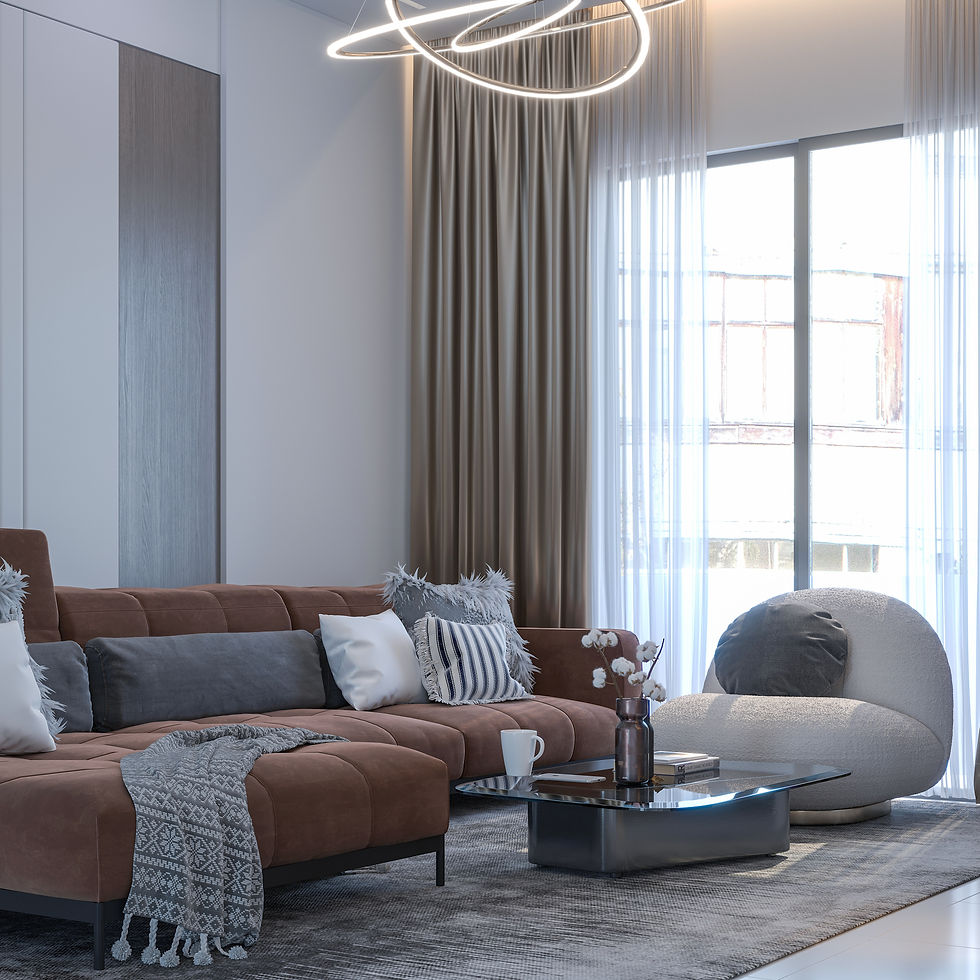
Instead of buying impulsively, invest in quality pieces that stand the test of time and, most importantly, that you genuinely like. Choose a comfortable sofa with a timeless design, as it’s the centerpiece of the room. Good furniture isn’t just about looks, it’s about durability too, and your back will thank you for it!
Multifunctional Furniture: Saving Space and Your Budget
If you live in a small apartment, multifunctional furniture becomes your best friend.
Why buy a coffee table just for... coffee, when it can also have storage space?
Or a bed with drawers underneath, where you can hide all the clutter in your life?
Furniture that serves multiple purposes not only saves space but also helps keep things organized and optimizes your entire home. So, the next time you’re shopping for furniture, ask yourself: “Does it solve two problems at once?”
7. Decorations: The Accents That Make a Difference

Small Decorations with Big Impact
Never underestimate the power of a well-chosen painting or a special vase! Sometimes, the smallest details make the biggest difference in a space. Think about those small but meaningful objects that can completely change a room’s atmosphere.
Whether it’s a unique lamp or a beautiful plant in a boring corner, decorations don’t need to be extravagant, just strategically placed. And don’t forget, you don’t need to fill every corner, sometimes less really is more.
Personalizing the Space: How to Put Your Stamp on the Design
Decorations are the perfect place to play and show your personality.
From souvenirs from your travels to family photos and art pieces, decorations tell your story.
Do you love collecting something?
Turn your home into your own mini-museum.
Decorations bring life to your home and make it unique.
Don’t be afraid to display the items you love, it’s your house, so it should reflect who you are, not what the latest trends dictate.
8. Textiles: Curtains, Rugs, and Cushions for Extra Comfort

Curtains and Rugs
Textiles aren’t just accessories; they’re like clothes for your home.
Curtains and rugs are the elements that dress up the space and make it feel “complete.” A well-chosen curtain can completely change the feel of a room, adding elegance or creating a more relaxed atmosphere.
When it comes to rugs, a soft, fluffy rug underfoot can turn chilly mornings into a more pleasant experience. Choose materials that feel good and match your style, whether it’s minimalist or boho, your home deserves the right "outfit"!
Cushions and Throws
Who would have thought that cushions and throws could make such a big impact?
The truth is, they’re the “hidden heroes” of comfort.
A sofa can look cold and uninviting without a few soft decorative cushions or a throw casually draped over a corner. These small accessories not only add extra comfort, but they also bring color and texture to a room. Bonus: you can change them anytime you want to “refresh” your space without buying new furniture!
9. Harmonizing Elements: How to Match Color, Style, and Materials
If you’re feeling overwhelmed by all the options, this is where interior designers shine. They are experts in helping you discover interior design styles that match your personality, space, and lifestyle.
Whether it’s creating a cohesive look for an entire home or adding the finishing touches to one room, interior designers bring the expertise and creativity needed to bring your vision to life.

From the very beginning of your interior design styles discover journey to the final placement of furniture, these professionals can guide you through the process and help you avoid common pitfalls, like overcrowding a space or choosing colors that clash.
Color and Textures
When it comes to matching colors and textures, things can get complicated quickly.
You don’t want your living room to look like a cotton candy stand at a festival. Choose a main color palette and play with complementary shades.
For example, if you love green, it doesn’t mean you have to paint all your walls like a jungle. You can add green accents through cushions, rugs, or paintings, while keeping the rest of the room in a neutral range so you don’t oversaturate the space. The same goes for textures: a fluffy rug, a velvet armchair, or a rustic wooden table can bring variety, but don’t overdo it!
How to Avoid Visual Chaos
It’s easy to get excited and mix too many styles and materials, but there’s a point where your home can turn into a “visual buffet.” A key tip is to find a balance between materials (wood, metal, glass) and styles (minimalist, industrial, classic).
You don’t have to pick just one, but there should be a subtle connection between them. For example, if you have a rustic wooden table, pairing it with modern metal chairs can create a pleasing contrast, as long as the rest of the room stays neutral or with subtle accents. Otherwise, you might end up with a mix of items that don’t “talk” to each other!
10. Conclusion: Don’t Forget to Have Fun!
Interior design doesn’t have to be a chore.
It’s a creative process where you can express your personality, preferences, and the way you want to live in your space.
Whether you’re drawn to the sleek lines of mid-century modern, the cozy vibes of shabby chic, or the eclectic fun of Boho, your design style is out there, waiting to be discovered.
And remember: you’re not alone on this journey.
We offer free interior design courses to help you build a strong foundation, plus 1:1 mentorship sessions for personalized challenges, real-life spaces, and tailored guidance.
Don’t be afraid to experiment, make mistakes, and refine your ideas along the way. Your home should be the place where you feel your best.
Have a great day and a wonderful journey into the world of interior design 🌿✨


Comments